




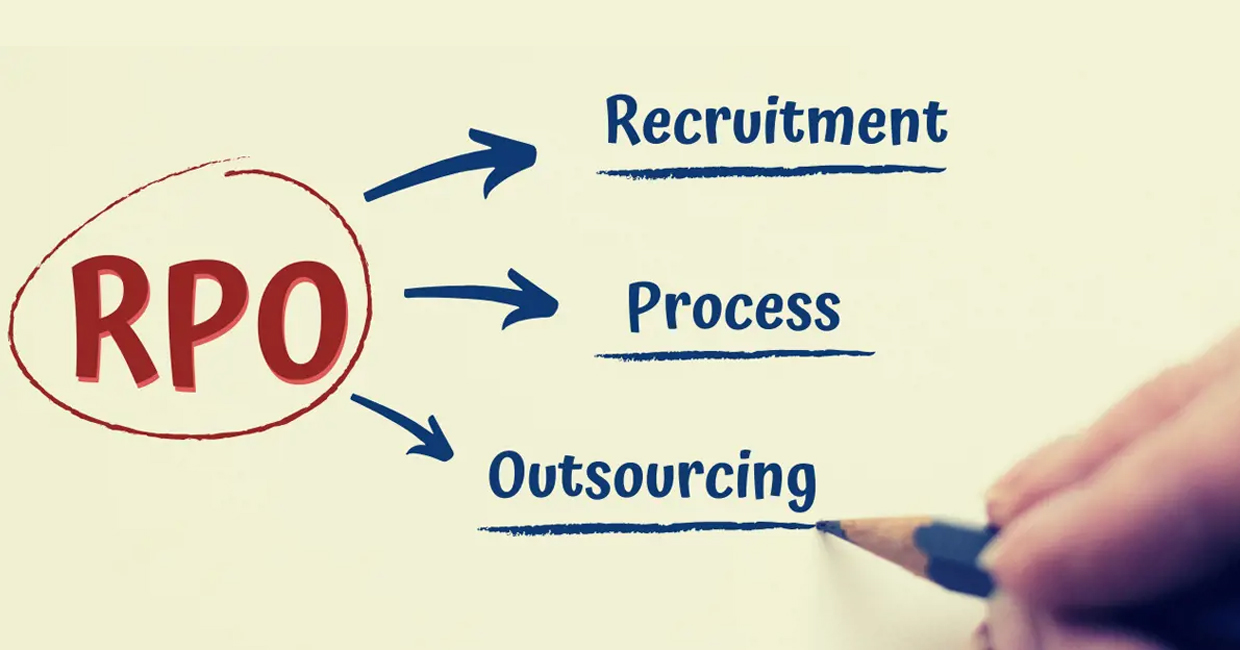
 Recruitment Process Outsourcing
Divij Chadha

Quick Read
Summary is AI-generated, 3 things to look out for RPO in 2016 -reviewed

In this blog, the focus is on the benefits of HR outsourcing for businesses of all sizes, aiming to save time and reduce costs. Companies, whether small or large, seek HR outsourcing to streamline human resource functions, allowing them to concentrate on core operations. Key advantages include lower expenses, reduced training time, and the ability to consolidate various HR services under one provider. By outsourcing, businesses can avoid the costs associated with maintaining an in-house HR team, including salaries and software expenses. This strategic approach not only enhances efficiency but also enables organizations to allocate resources more effectively, ultimately fostering growth and profitability.

With the emergence of the Internet as a mass-scale means to reach out to people, the RPO industry has observed a major shift in its trends. 2015 was a booming year for the RPO, and 2016 was predicted to hold an even bigger market for this industry. This growth is mainly due to advancements in technology and new ideas that employers have adopted. Like any other product or service, over time, we discover the correct and effective strategies to be undertaken. A simple process of trial and error over the years has helped competent RPO vendors, especially in RPO India, to determine the most effective ways to achieve maximum accuracy and efficiency.
Recruitment Process Outsourcing is fast gaining authority in the process of hiring, as it helps one determine the work quality of an employee right at the beginning, and not wait until the candidate has been hired. This helps in finding the right person for the job, and is the sole reason why the trend is shifting from referral programs and walk in hirings to RPO. All this has been observed after careful scrutinization over the years, and here are some trends which have risen up to the list of top 3;
Localization:
Though many organizations are targeting the global offices for their recruitment process, many have realized that undiscovered talent exists locally. Even though it involves a well structured and complex plan, that’s exactly what RPO is there for. With the help of collective information over the past years, many reputed RPO vendors have tailored the best way to identify the right candidate for the job, and then retaining them. Locating and identifying the right candidate at a local level saves a lot of time and money for the employers, and a well established RPO vendor does just the same.
Mobility:
The use of mobile devices has increased significantly over the past couple of years, with more and more people using Internet on their tablets and mobile phones every year. The use of social media as a mean to generate employment has proven to be more effective in reaching out to people on a mass scale basis than older methods, mainly due to the fact that social media is a much more sophisticated way to present data and information for both employers and employees alike. This helps by creating a perfect match between the required skill set and the perfect candidate for the job. Social media serves as a direct link between the employers and employees, and filters the right applicants for the post offered. This year alone, one can observe that many applications have been developed and are in use, for the sole purpose of defining the correct job profile.
Assessment:
Through years of planning and research, RPO vendors have developed a well defined structure for making the filtration of applicants much more precise and accurate. It saves a lot of time and money, and also locates the best candidate for the job. This will be a strong trend in 2016 as most reputed RPOs have a well defined way of operating, and the results show.
RPO has many more trends going on, a lot of which will surface in the coming year. I found these three to be the most dominant trends that will be ongoing in 2016, as they showed a lot of promise in this year itself. RPO is an easy way, for both the employers and employees, to find the perfect match for themselves. Watch out for more latest trends which will be the most popular in 2016.
Frequently Asked Questions
-
1. How is RPO different from traditional recruitment agencies?
RPO providers take end-to-end ownership of the hiring process, unlike traditional agencies that focus only on candidate sourcing. They integrate with internal teams, optimize workflows, and are accountable for long-term hiring outcomes.
-
2. Is RPO suitable only for large enterprises?
No, RPO is increasingly being adopted by mid-sized and even growing startups. Flexible RPO models allow companies to scale hiring support based on their needs without committing to large internal recruitment teams.
-
3. What role does technology play in modern RPO solutions?
Technology is central to RPO success. From applicant tracking systems (ATS) to AI-driven screening and analytics, RPO providers use technology to improve speed, accuracy, and candidate experience.
-
4. Can RPO improve employer branding?
Yes, a good RPO partner enhances employer branding by ensuring consistent communication, better candidate experience, and a structured hiring journey that reflects positively on the company.
-
5. How do companies measure the success of an RPO partnership?
Success is typically measured through key metrics such as time-to-hire, cost-per-hire, quality of hire, candidate satisfaction, and retention rates over time.

Divij Chadha

Divij Chadha is a seasoned professional leading Collar Search, a Recruitment Process Outsourcing (RPO) firm that specializes in offshore IT staffing and recruitment. With a strong foundation in the IT industry and over years of experience, Divij focuses on delivering high-quality recruitment and staffing solutions to clients globally. Under his leadership, Collar Search has become a trusted name in the RPO domain, known for its timely and reliable client services. Based in India, with a sales presence in New Jersey, USA, Divij ensures the company harnesses the best of both regions to meet diverse client needs.